Most safari photos look down on their subject. You are three feet above a lion in a raised Land Cruiser, shooting at an angle that flattens the shot. A true photographic hide fixes that by putting your lens at the animal’s own eye level, and it changes a snapshot into a portfolio image.
The Masai Mara does not have a hide on every corner, and honest planning starts with that fact. Touring Insights mapped what actually exists near the Mara, what conservancies allow instead, and what it costs to get there.
What a Photographic Hide Actually Is
A photographic hide is a fixed, camouflaged structure built at or below ground level, usually beside a waterhole. Photographers sit inside it for hours, level with the animals that come to drink. This differs from a normal game drive vehicle, which sits roughly 1.2 to 1.5 meters off the ground.
Some operators use “hide” loosely to describe any low-profile vehicle or ground-level shooting position. This guide separates the two, since the price, booking process, and experience differ sharply.
The Mara’s One Dedicated Waterhole Hide: Kicheche Bush Camp
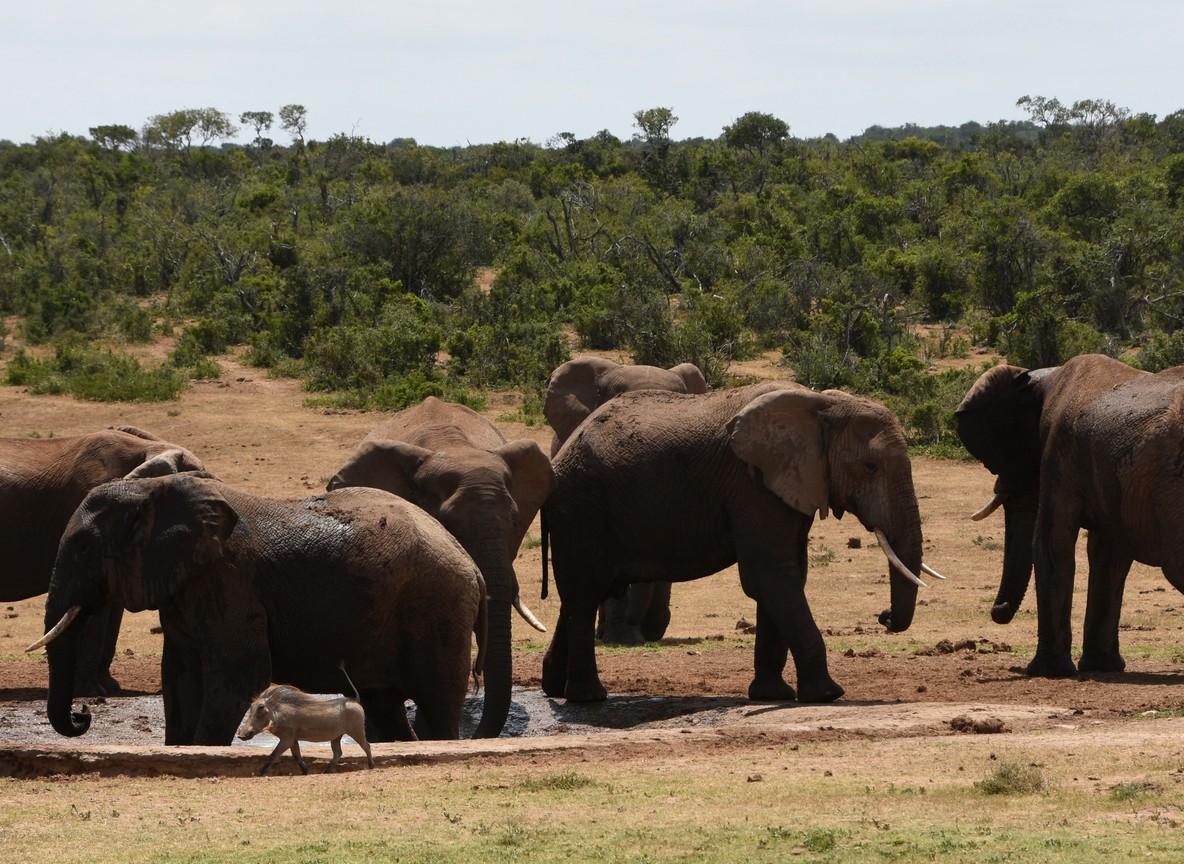
Kicheche Bush Camp, on the eastern edge of the Mara ecosystem in Naboisho Conservancy, runs the closest thing to a true ground hide in the region. The camp built a sunken photography hide beside a waterhole that draws elephants, buffalo, and resident predators through the dry months.
Photographer Paul Goldstein has run specialist photography safaris from Kicheche’s camps for years, and the hide sits at the center of that program. Access usually requires booking a dedicated photography departure or arranging hide time directly with the camp, not a standard walk-in game drive.
Why the Main Reserve Does Not Allow Ground Hides
The Maasai Mara National Reserve bans off-road driving and forbids guests from leaving their vehicle except at a handful of fenced picnic and toilet points. That rule protects the grass and keeps guests safe from predators, but it also rules out any ground-level hide inside the reserve boundary.
Private conservancies bordering the reserve, including Naboisho, Mara North, and Olare Motorogi, set their own rules. Most permit controlled off-road driving and, in a few cases, supervised ground-level positioning for photography guests. That flexibility is why almost every real photographic hide near the Mara sits in a conservancy, not the reserve itself.
Which Conservancy Fits a Photography-Focused Stay
Naboisho, Mara North, and Olare Motorogi all border the main reserve. All three permit some form of off-road or low-vehicle photography access, but they differ in size and vehicle density. A smaller, lower-density conservancy generally means fewer vehicles competing for the same sighting.
| Conservancy | Approx. size | Vehicle density rule | Photography note |
|---|---|---|---|
| Naboisho Conservancy | approx. 200 km2 (50,000 acres) | One vehicle per roughly 700 acres | Home to Kicheche Bush Camp’s waterhole hide |
| Mara North Conservancy | approx. 300 km2 (74,000 acres) | One vehicle per roughly 700 acres | Wide plains, strong for low-vehicle beanbag shots |
| Olare Motorogi Conservancy | approx. 141 km2 (35,000 acres) | One vehicle per roughly 700 acres | Dense predator population, tighter sighting radius |
Ask your camp which conservancy it operates in before you book a photography-focused trip. A camp’s name does not always match the conservancy it sits inside, and the difference changes how close a guide can legally position your vehicle.
Low-Profile Vehicles: The Conservancy Alternative to a Hide
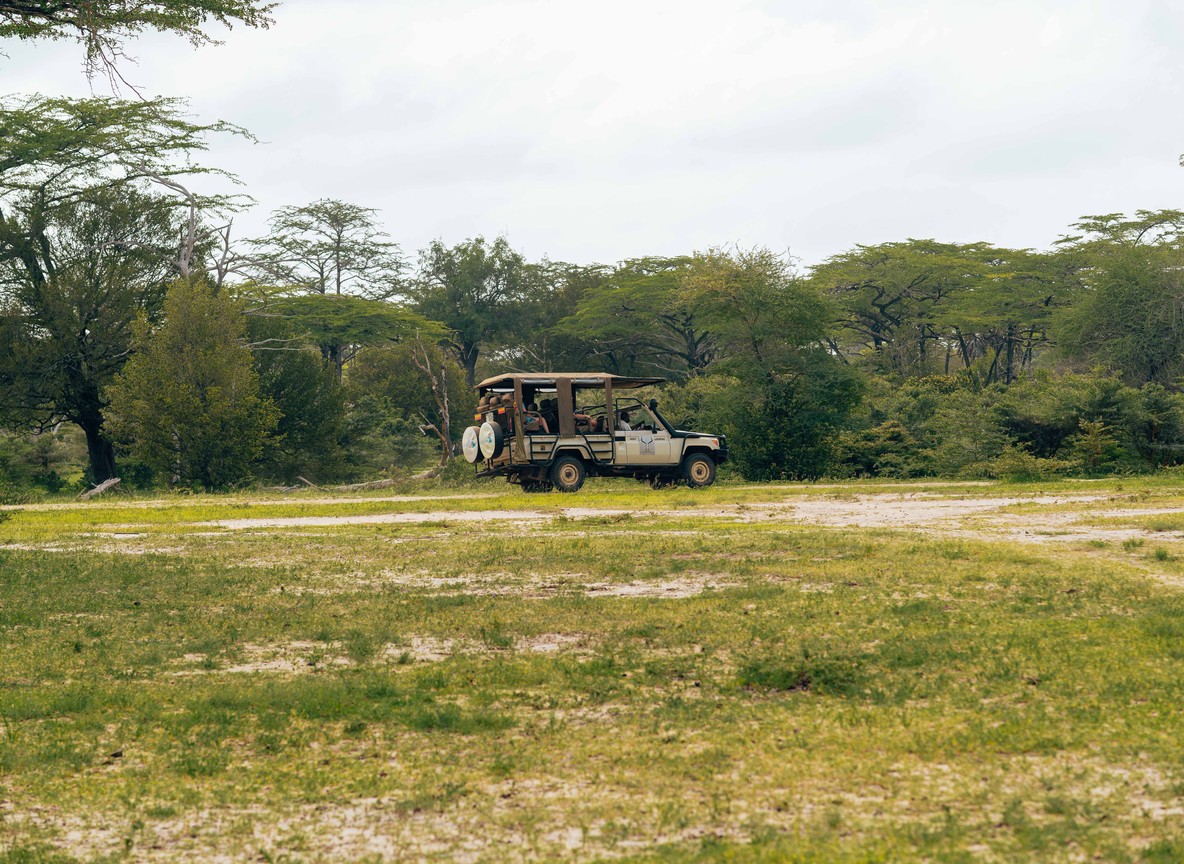
Where no fixed hide exists, camps substitute a modified vehicle. Kicheche’s camps and several Asilia and Governors’ properties run low-chassis Land Cruisers built for this. Each has beanbag rests on the window frame and a hinged roof hatch that opens without raising a guest to full standing height.
Guides in these conservancies will also position the vehicle low against a slope or riverbank so the camera sits closer to the subject’s eye line. It is not a true hide, but paired with a skilled guide it closes much of the gap for a fraction of the planning effort.
Little Governors’ Camp: Eye-Level Water Access Without a Hide
Little Governors’ Camp sits beside the Musiara Marsh, reached from Governors’ Camp by a hand-pulled pontoon across the Mara River. A fixed boardwalk and viewing deck put guests close to the water’s edge, where hippos, elephants, and buffalo pass within a short lens reach.
It is not a below-ground hide, and camp staff will say so if asked directly. But the marsh’s shallow, open water sits close to the boardwalk’s low elevation. That combination makes it one of the better fixed vantage points near the Mara for eye-level water shots, and it needs no specialist photography booking.
Getting There: Airstrips and Drive Times
Naboisho Conservancy and the Musiara Marsh area both sit within a 45-minute flight of Nairobi’s Wilson Airport, or a longer road transfer through Narok town.
| Route | Distance/time | Notes |
|---|---|---|
| Nairobi (Wilson) to Ol Kiombo Airstrip, Mara | approx. 265 km, 40-45 min flight | Nearest airstrip to Naboisho Conservancy and Kicheche Bush Camp |
| Nairobi (Wilson) to Musiara Airstrip, Mara | approx. 270 km, 40-45 min flight | Serves Governors’ Camp and Little Governors’ Camp |
| Nairobi to Mara by road (self-drive/transfer) | approx. 270 km, 5-6 hr drive via Narok | Tarmac to Narok, then graded and dirt road into the conservancies |
| Ol Kiombo Airstrip to Kicheche Bush Camp | approx. 20-30 min road transfer | Included in most camp packages |
Costs: Fees, Hide Access, and Photography Vehicles
Budget for three separate costs: reserve or conservancy entry, camp rates, and any hide or specialist-vehicle premium. Figures below are indicative; confirm current rates with the camp or conservancy before booking.
| Cost item | Indicative range | Notes |
|---|---|---|
| Maasai Mara National Reserve entry | $80-100 per person per day | Rate differs between the Narok County side and the Mara Triangle |
| Naboisho Conservancy fee | $70-100 per person per night | Usually bundled into the camp’s nightly rate |
| Mara North Conservancy fee | $70-100 per person per night | Similar bundling with camp rates |
| Kicheche Bush Camp hide/photography departure | Premium over standard nightly rate, camp-quoted | Ask directly for current photography-season pricing |
| Low-profile photography vehicle upgrade | Camp-quoted, varies by property | Not offered at every camp; confirm before booking |
Best Season and Light for Eye-Level Shots
The long dry season from July through October concentrates wildlife around permanent water, which is exactly when a waterhole hide earns its cost. Naboisho’s resident lion prides and passing elephant herds visit hides and low vehicle positions most reliably in these months.
The wet season calving period from January to February brings different value: young animals near cover and dramatic cloud light for wider shots. A hide still works then, but plan for shorter, more unpredictable animal visits between rain showers.
Shoot in the first two hours after sunrise or the last two before sunset. Low sun angles at those hours light an animal’s eyes and coat texture far better than the flat overhead light of midday.
Explorer Notes
Book hide time as its own line item, not an add-on to a normal stay. Kicheche and similar camps allocate a handful of hide slots per season, and photography guests often reserve them months ahead of the dry season peak.
Pack a beanbag even if a hide is booked. Camps supply beanbags for game drive vehicles, but a hide session sometimes runs on a fixed mount that suits a different lens length than you expect. Bring your own quick-release plate as a backup.
Ask your guide about wind direction before a hide session. Elephants and buffalo will scent a hide from a poor angle and avoid the waterhole entirely. A good guide checks wind direction before locking in your booking time.
Frequently Asked Questions
Is there more than one true photographic hide near the Masai Mara? Kicheche Bush Camp’s Naboisho Conservancy hide is the most established fixed ground hide directly tied to the Mara ecosystem. Some private conservancies experiment with seasonal hides, so ask a specialist operator for the current list before you book.
Can I use a photographic hide inside the Maasai Mara National Reserve itself? No. The reserve prohibits off-road driving and leaving your vehicle outside designated points, which rules out ground hides. Conservancies bordering the reserve set their own, more flexible rules.
Do I need a special vehicle to get eye-level wildlife shots without a hide? A low-chassis vehicle with a beanbag mount and a guide willing to position low against a slope gets you closer than a standard raised game drive vehicle. It will not fully match a ground hide, but it costs far less to arrange.
How far in advance should I book hide time at Kicheche Bush Camp? Book photography-specific departures or hide sessions three to six months ahead of the July-October dry season, when demand and animal traffic at the waterhole both peak.
Is the Little Governors’ Camp viewing deck worth visiting if I only have one day? Yes, for water-based subjects like hippo and elephant. It requires no specialist booking and sits on the standard Governors’ Camp route, so it fits easily into a short Mara stay.
Ready to build hide time or a low-profile photography vehicle into your Mara itinerary? Check our Tour Packages page for conservancy-based stays, or ask a partner operator directly whether your chosen camp offers hide access this season.
What to Read Next
- New to the difference between reserve and conservancy rules? Read our Masai Mara photography vs general game drive guide.
- Planning your camera kit before you go? See our DSLR vs mirrorless vs smartphone safari photography guide.
- Weighing which conservancy suits your trip? Our Kenya’s 230 conservancies guide breaks down the tenth of the country now under conservancy management.
Further reading
More safari planning resources
- Nairobi to Maasai Mara route guide from Valley Safaris
- Best time to visit Kenya on Touring Insights
- Masai Mara destination guide on FindMySafari
- Best time to visit Kenya month-by-month map from Valley Safaris
Related guides: Meet Evans Kimojino, the Mara Guide With 1,300+ Documented Wildlife Sightings.